Flixbaba : Watch Free Movies, TV Online | flixbaba.com.im
Flixbaba is one of those “free movies online” names that seems to pop up everywhere—then vanish, then pop up again on a different domain. If you’re wondering what it is, how it works, and whether it’s safe (or even legal), let’s break it down in plain English.
What is Flixbaba, really?
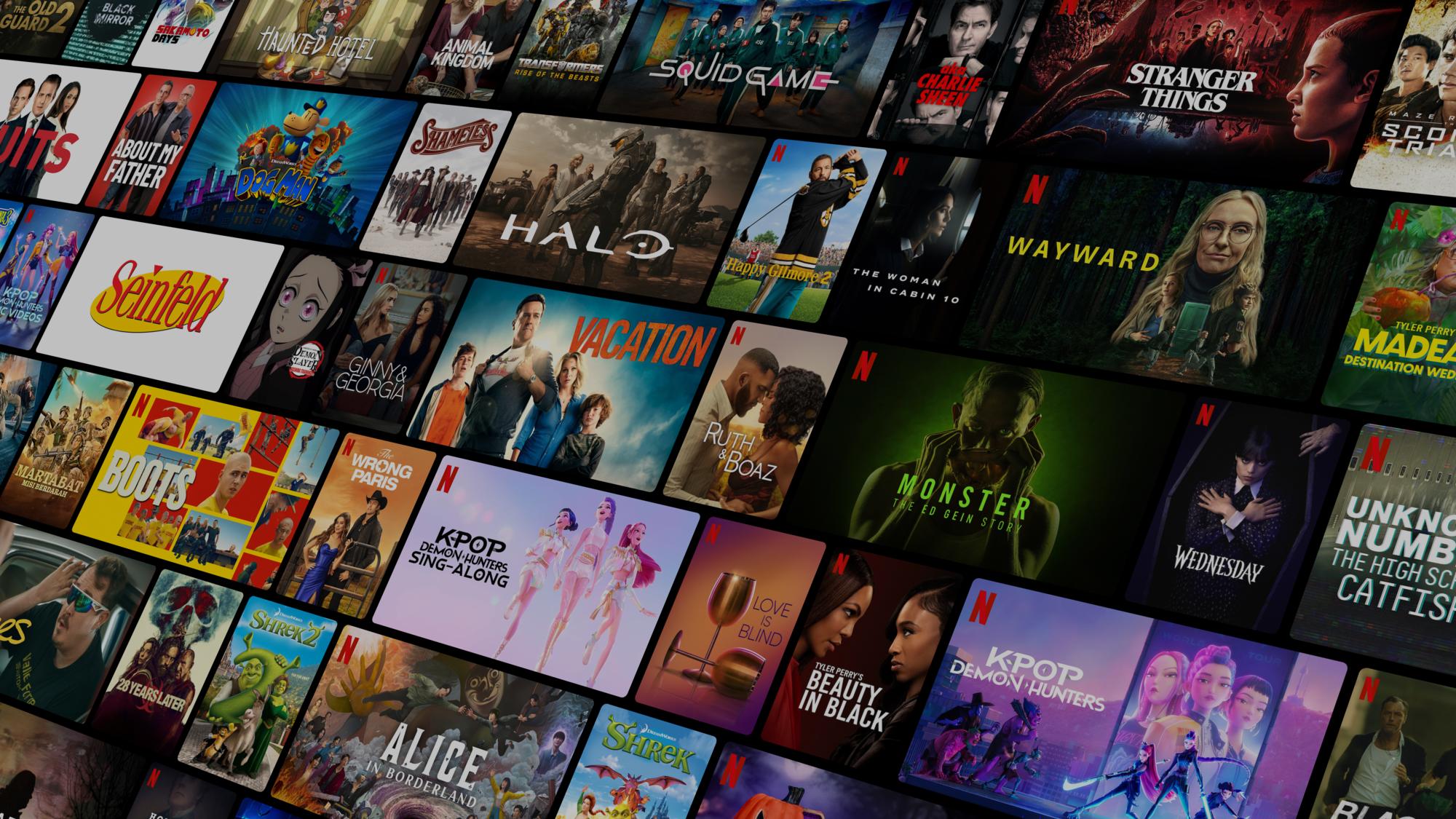
Flixbaba is typically used as a brand label for free-streaming websites that offer movies and TV shows without charging users. You’ll often see searches like “flixbaba free”, “flixbaba full movie free online”, or “flixbaba all movies free” because the pitch is simple: click, press play, done.
The tricky part: there are many “official” claims across different domains, and the site identity can change often—so “flixbaba official website” isn’t as clear-cut as it sounds.
How does Flixbaba work?
In most cases, Flixbaba-style sites work like this:
- They display a catalog of titles (sometimes including very new releases).
- When you hit play, you may be routed through:
- embedded players,
- third-party hosts,
- pop-ups/redirects,
- mirror links.
That “middleman” setup is a big reason these sites can feel unstable—and why the risk level depends heavily on whatever third-party pages you get bounced to.
Expert insight: “When a streaming site can’t clearly show where its licenses come from, the content might be the bait—and your device or data might be the real target.” — Dr. Emily Hartwell, Digital Media Policy Analyst
Is Flixbaba still free?
Usually, yes—at least on the surface. Most versions don’t ask for a subscription fee, which is exactly why it spreads fast on social media and search.
But “free” often comes with trade-offs:
- aggressive advertising,
- redirects,
- data tracking,
- fake “download” buttons,
- copycat domains.
So it may be free for your wallet… while being expensive in other ways.
Is Flixbaba legal in 2025?
A simple rule of thumb: if a site streams copyrighted movies/TV without clear licensing, it’s likely unauthorized.
One strong public signal: copyright delisting requests. If a domain sees a lot of copyright-related removal activity, that usually lines up with unauthorized distribution patterns.
Also, many Flixbaba-style sites appear on newly registered or frequently changing domains, which fits the “new domain / rotating domains” pattern you often see with unstable streaming brands.
Expert insight: “Legality doesn’t hinge on whether you pay. It hinges on whether the platform has the rights to distribute what you’re watching.” — Maya Kensington, Copyright & Media Lawyer
Is Flixbaba safe?
Let’s be real: people usually ask “Does Flixbaba have a virus?” because something already felt off.
While not every visitor gets infected, sites in this category are often flagged by security reviewers as higher risk—ranging from low trust scores to suspicious behavior analysis.
Common safety red flags to watch for
- Pop-ups that mimic system alerts (“Your phone is infected!”)
- Redirect loops that land on unrelated pages
- Push notification prompts (“Allow notifications to continue”)
- Fake download buttons around the video player
- Requests for card details (huge red flag—leave immediately)
User experience (real-world vibe): “I clicked play and got bounced through three pages before the video even loaded. One of them asked me to allow notifications—no thanks.” — Samantha J.
“The movie started, but the pop-ups were nonstop. It didn’t feel worth the hassle.” — Alex R.
What happened to Flixbaba?
If you’ve searched “What happened to flixbaba?” or “why is flixbaba down?”, you’re not imagining things. These sites often disappear and reappear on new domains—commonly explained by takedowns, blocks, or domain churn.
“Flixmomo” and the copycat ecosystem
You may also run into names like flixmomo. Some sites claim they’re the “successor” or “new official domain,” but the pattern is similar: shifting branding, new URLs, and the same “free HD with no signup” promise.
Is Flixbaba a good streaming service?
If your definition of “good” includes stable apps, reliable playback, real customer support, and low risk, then honestly—no.
What it does have:
- instant access,
- no sign-up (often),
- wide-looking catalogs.
What it typically doesn’t have:
- transparent licensing,
- consistent uptime,
- predictable safety.
What makes Flixbaba so popular?
Because it scratches a very human itch: “I just want something to watch tonight without adding yet another subscription.”
And that’s why free ad-supported streaming services (FAST) are booming—people want free viewing, but with fewer sketchy surprises.
Flixbaba alternatives that are actually legal (and still free)
Here’s the good news: you can watch a lot for free—legally—if you know where to look.
Quick comparison table
| Option | Price | Ads | Legality | Typical risk level | Best for |
|---|---|---|---|---|---|
| Flixbaba-style sites | Free | Heavy/unknown | Unclear/often unauthorized | High | “Anything free, right now” |
| Tubi | Free | Yes | Licensed | Low | Big mainstream catalog on a budget |
| Pluto TV | Free | Yes | Licensed | Low | Live channels + on-demand |
| Plex (free streaming) | Free | Yes | Licensed for free catalog | Low | Mix of live + on-demand |
| Kanopy | Free (library) | No | Licensed | Very low | Indie, classics, docs |
| hoopla | Free (library) | Varies | Licensed | Very low | Library movies + more |
| Xumo Play | Free | Yes | Licensed | Low | Live channels + free VOD |
Expert insight: “If you want ‘free’ with fewer headaches, use services that can survive in public without hiding their domain every month.” — Jordan Pike, Cybersecurity Researcher
A note on Freevee
If you used Freevee before, you may notice its free titles increasingly appear inside Prime Video’s “watch free” area rather than as a separate standalone experience, depending on region and platform.
How to watch movies online safely
If you’re searching “How to watch flixbaba online safely?”, the safest answer is: don’t use unverified Flixbaba clones at all. Instead, here’s a clean, practical approach:
- Start with a licensed free service (Tubi, Pluto TV, Plex, Xumo) or library apps (Kanopy, hoopla).
- Use official apps or the official site (avoid “mirror” links and random domains).
- Keep your browser and OS updated (security patches matter).
- Never install “video players” or “codec packs” suggested by a streaming page.
- Don’t enable push notifications for streaming sites you don’t trust.
- If a site asks for payment details for “free streaming,” leave.
Conclusion
Flixbaba may look like a simple shortcut to free entertainment, but in 2025 it’s better understood as a shifting label tied to unstable domains, unclear licensing, and higher safety risk. If you want free streaming that won’t bite back, choose trusted FAST platforms or library-backed services instead—and save yourself the pop-up roulette.
FAQ
1) What is Flixbaba & how does it work?
Flixbaba is commonly used by free streaming sites that list movies and shows and route playback through embedded players or third-party hosts. That setup can trigger pop-ups, redirects, and inconsistent availability.
2) Is Flixbaba legal?
Often not. If the platform can’t show licensing rights for copyrighted titles, it’s typically considered unauthorized. Heavy copyright removal activity for a domain is a major warning sign.
3) Is Flixbaba still free?
Most versions don’t charge money, but they often monetize with ads, redirects, and tracking. “Free” doesn’t always mean low-cost overall.
4) Does Flixbaba have a virus?
Not always directly, but sites in this category are often higher risk, and third-party ads/redirects can expose you to malware or phishing pages.
5) What happened to Flixbaba?
It frequently disappears and reappears under new domains, a pattern commonly associated with blocks, takedowns, or domain rotation.
6) What are the best Flixbaba alternatives?
For legal free options: Tubi, Pluto TV, Plex, Xumo Play. For library-backed viewing: Kanopy and hoopla (with a library card).
7) What makes Flixbaba different from legal free streaming services?
Legal services have stable apps and licensed catalogs funded by ads or libraries. Flixbaba-style sites often rely on shifting domains and unclear content rights—meaning higher risk and less reliability.